The territory we defend.
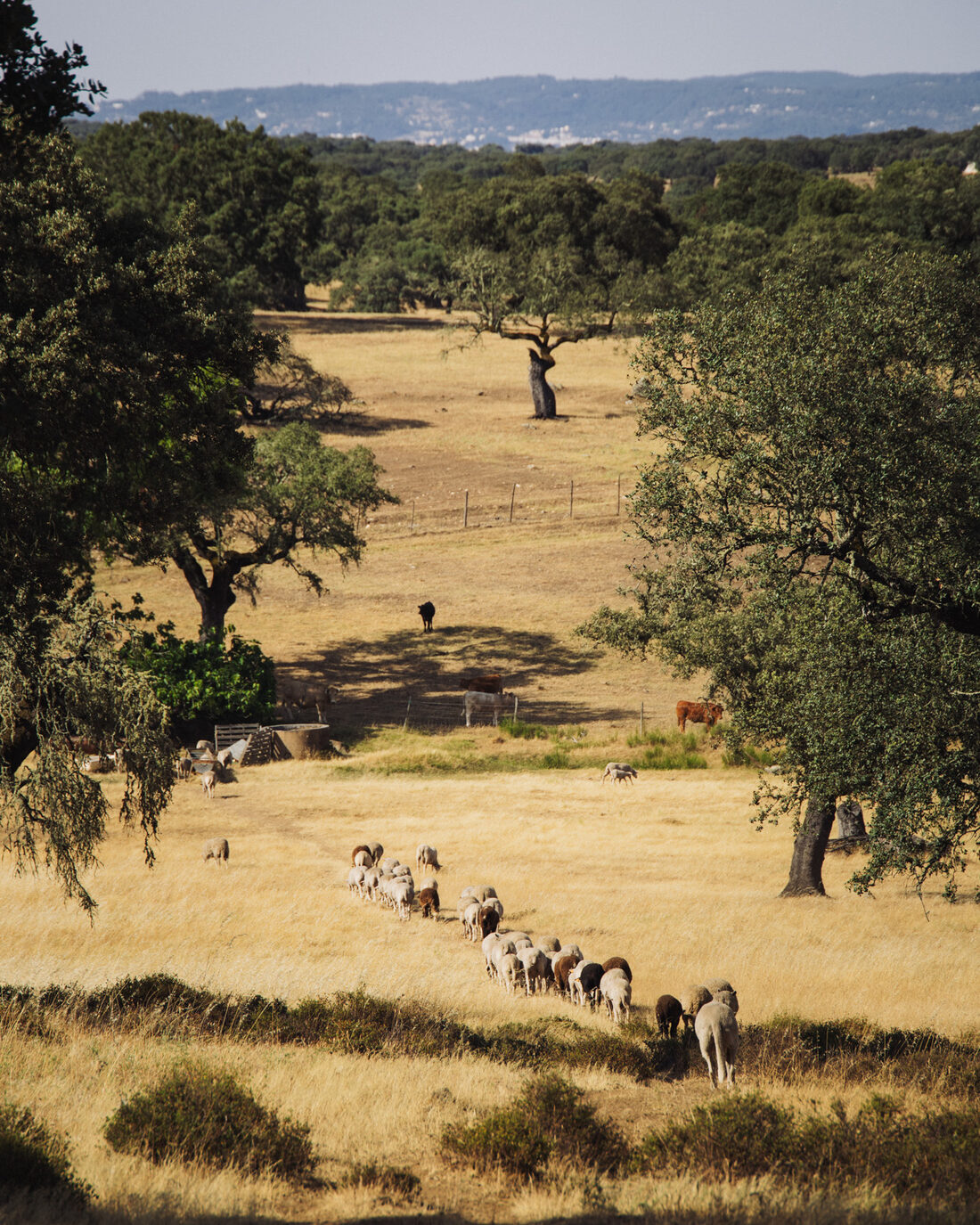
Alter do Chão, Crato, Fronteira, Monforte and neighbouring municipalities gather unique ecological, historical and human values in the Alto Alentejo. The installation of the military firing range will disrupt a balanced ecosystem.
The municipality
Alter do Chão is a municipality in the Portalegre district, in the Alto Alentejo, with around 3,180 residents according to the 2021 Census. The municipality is part of the NUTS III Alto Alentejo and is divided into four parishes: Alter do Chão, Chancelaria, Cunheira, and the Union of Parishes of Seda. It has an approximate area of 350 square kilometres, with a population density of less than 10 inhabitants per square kilometre.
The municipality is marked by a pronounced demographic ageing and a sustained depopulation pattern over several decades. The local economy is based on extensive agriculture, livestock, traditional olive groves, montado (cork and holm oak woodland), equestrian tourism linked to the Coudelaria de Alter, and small-scale vineyards. Public service infrastructures (schools, health centre, housing estate) are dimensioned for the current population.
The territory borders to the east with the Coudelaria de Alter, a state-owned property under the tutelage of the Ministry of Agriculture. To the north, it includes part of the Serra de São Mamede and its extensions. To the east, it connects to the municipality of Crato and, further east, to the Spanish border. This articulation gives the municipality a character of ecological and cultural continuity with the rest of the Alto Alentejo.
The main municipality and the impact radius
Alter do Chão is the main municipality of impact, as it is where most of the planned firing range is concentrated. However, the impact radius far exceeds its administrative limits. The municipality of Monforte is directly affected, with the parishes of Assumar and Vaiamonte integrated into the perimeter.
Three reasons explain this extended scope. The first is noise: military aircraft operations produce a sonic impact within a radius of several kilometres beyond the perimeter, affecting settlements, agricultural exploitations and the Coudelaria de Alter itself. The second is ecology: the Cabeção Special Conservation Area covers four municipalities and the Natura 2000 network of Special Protection Areas under the Birds Directive extends over a radius of about thirty-five kilometres, with steppe birds moving between nuclei on a regional scale. The third is the economy and landscape: extensive agriculture, montado (cork and holm oak woodland), public irrigation of the Veiros and equestrian tourism form a continuous system in the Alto Alentejo, which does not stop at the municipal boundary.
The Natura 2000 network
The Natura 2000 network is the European ecological network, created by Directive 92/43/EEC (Habitats Directive) and Directive 2009/147/EC (Birds Directive), which brings together areas of high conservation value. It includes Special Areas of Conservation (SAC) for habitats and species and Special Protection Areas (SPA) for birds. Portugal has over 200 sites in the network.
The municipality of Alter do Chão covers areas integrated into the Cabeção Special Conservation Area (PTCON0029); the firing range perimeter lies about thirteen kilometres from that area and about five and a half from the Monforte Special Protection Area (PTZPE0051), within its impact radius and with a strong ecological link to adjacent sites in the Alto Alentejo. The central obligation arising from the directives is to adequately assess any plan or project likely to affect the integrity of the site before its authorisation. This assessment is prior, substantiated and public.
In addition to the Monforte Special Protection Area, directly overlaid, the polygon is located in the centre of a network of Special Protection Areas under the Birds Directive, classified for the same community of steppe birds: Vila Fernando, Veiros, Campo Maior and São Vicente are within a radius of about thirty-five kilometres. The great bustard and the little bustard move between these nuclei on a regional scale, which obliges to assess the effects of the project on the entire network, and not on each site in isolation.
The announced location of the firing range affects these values within its impact radius and contradicts, in an evident way, the procedural hierarchy that community law imposes.
The Cabeção Special Conservation Area (PTCON0029)
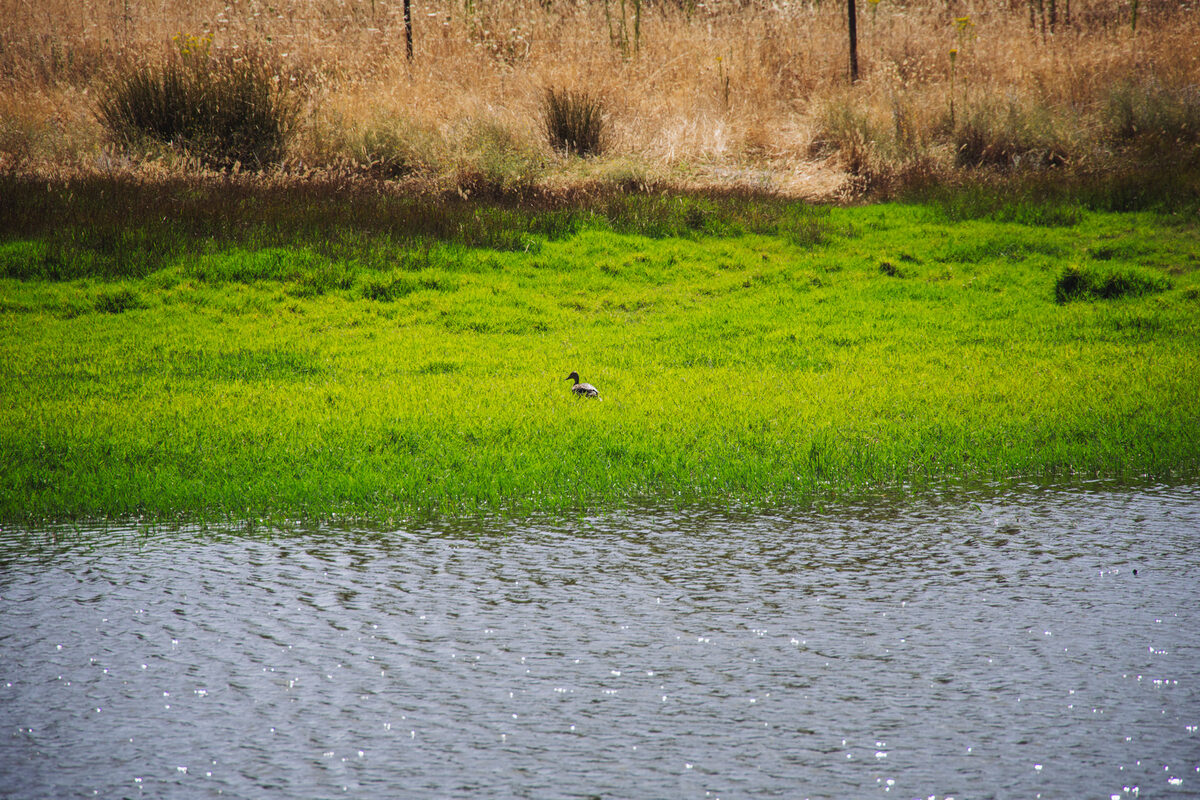
The SAC PTCON0029 protects a set of habitats and species of community relevance. The habitats that justify the classification include cork and holm oak montados, Mediterranean garrigue, halophytic meadows, riverbank galleries of willows, ash and alder, and humid zones associated with permanent or temporary waterlines. The target species include bat species from Annex II of the Habitats Directive (Rhinolophus, Myotis), the Mediterranean tortoise (Mauremys leprosa) and several rare invertebrate species.
Order No. 89-I/2026/1, of 23 February 2026, approved the Cabeção SAC Management Plan, covering 48,394 hectares in the municipalities of Avis, Ponte de Sor, Mora and Alter do Chão. The plan identifies 25 habitats and 8 protected species. The habitat 3170 (Mediterranean temporary ponds), a priority under the Habitats Directive, and the plant Halimium umbellatum var. verticillatum stand out, with over 60 per cent of its global distribution concentrated in this site.
Decree-Law No. 35/2026, published on 11 February 2026, and Order No. 89-I/2026/1, published on 23 February 2026, expressly strengthened the protection measures for this area. The State thereby reaffirmed the continued importance of these values. The choice, after less than thirty days, to install a firing range in this perimeter is legally contradictory to the reinforcement of protection that the State had just published.
The Important Bird Area (IBA PT017)
The Alter do Chão IBA (code PT017, 1,317 hectares in the core, criteria A1, B2, C1 and C6) is one of the areas identified internationally by BirdLife International as critical for the conservation of steppe birds in the Iberian Peninsula. The classification as an IBA is technical, based on standardised criteria of regular presence of threatened species, significant breeding communities and biogeographical relevance. These areas do not have autonomous legal protection in Portugal, but constitute a reference accepted by national and European courts in the assessment of impacts.
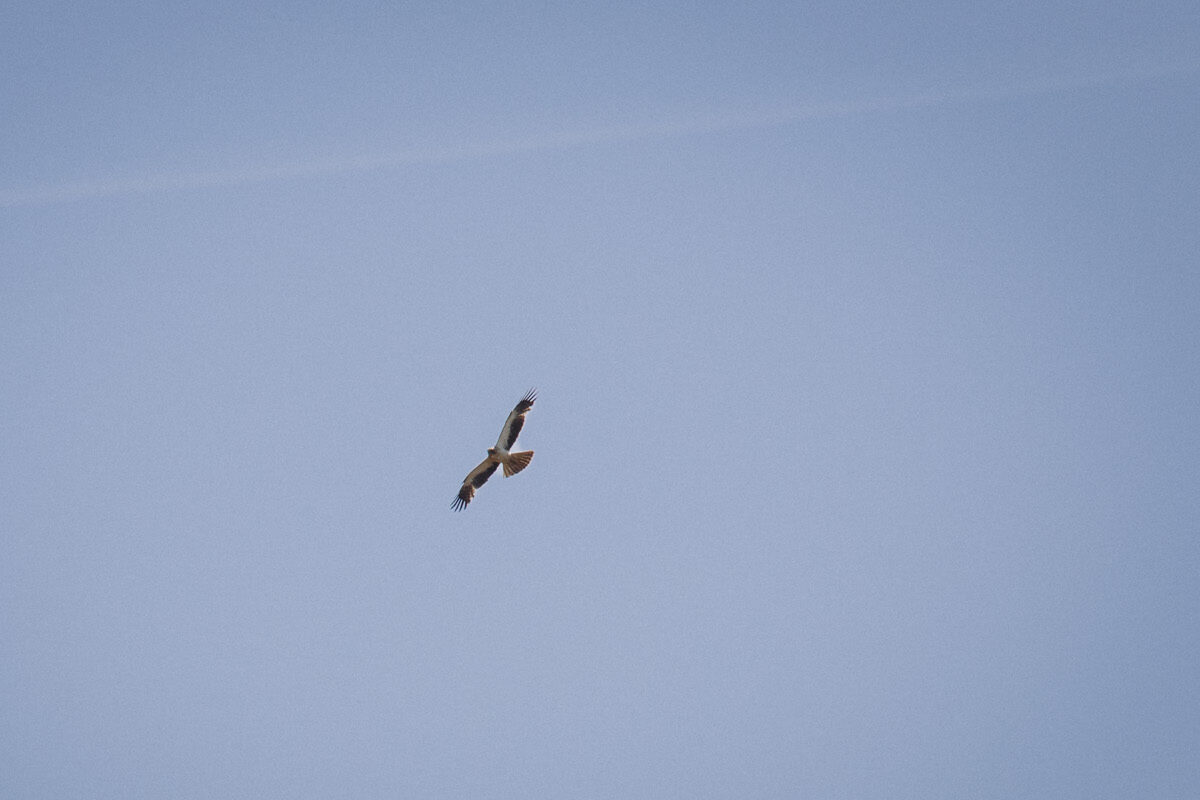
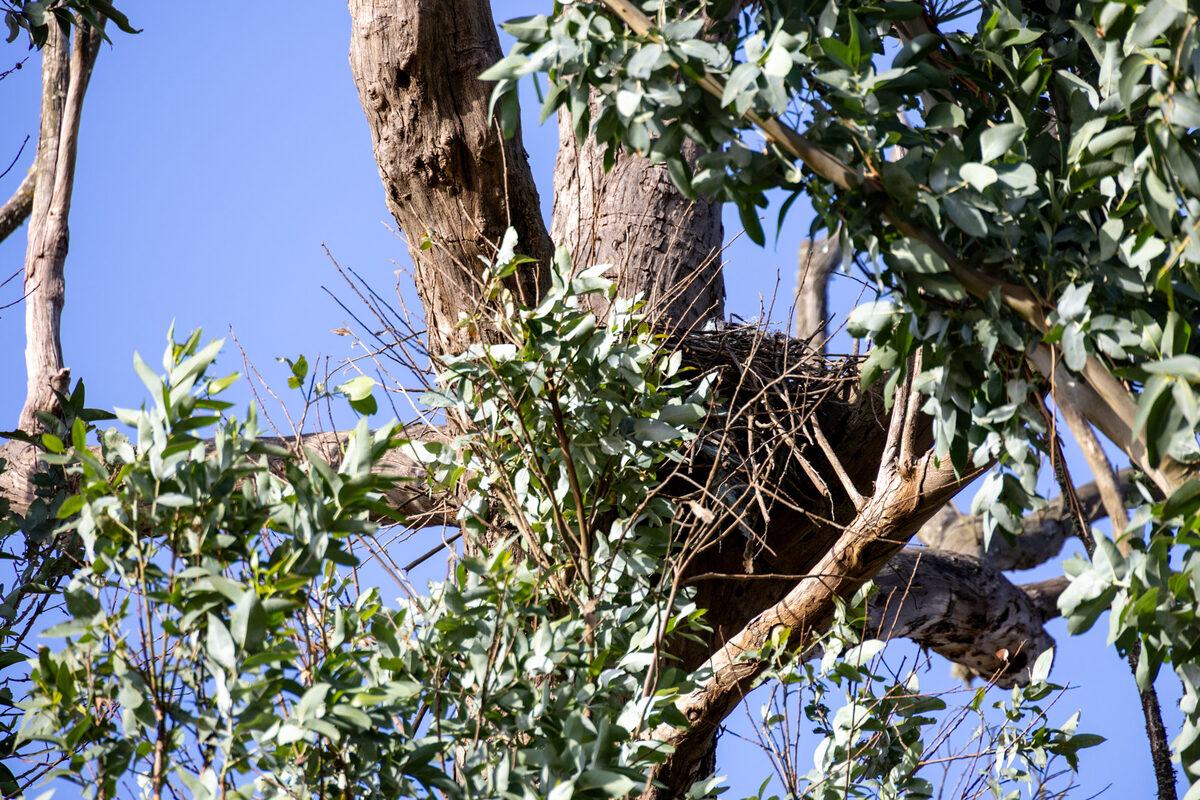
The Alter do Chão IBA covers a matrix of open montados, permanent pastures and dryland cereals. This combination is particularly favourable to the reproduction of the little bustard (Tetrax tetrax), a species classified as Critically Endangered in Portugal (national decline of about 90 per cent over twenty years, with only about 1,736 males left in the country, according to the 4th National Little Bustard Census, BIOPOLIS/CIBIO, June 2026). It is also a refuge for the great bustard (Otis tarda), Endangered, for the lesser kestrel (Falco naumanni) and for the Montagu's harrier (Circus pygargus), with 119 to 207 estimated breeding pairs throughout the country.
The disturbance introduced by a permanent firing range, with regular detonations and military overflights, is incompatible with the maintenance of these values. The scientific literature on the little bustard, in particular, shows that these birds abandon breeding territories in response to persistent disturbances, even of moderate intensity.
The cork and holm oak montado
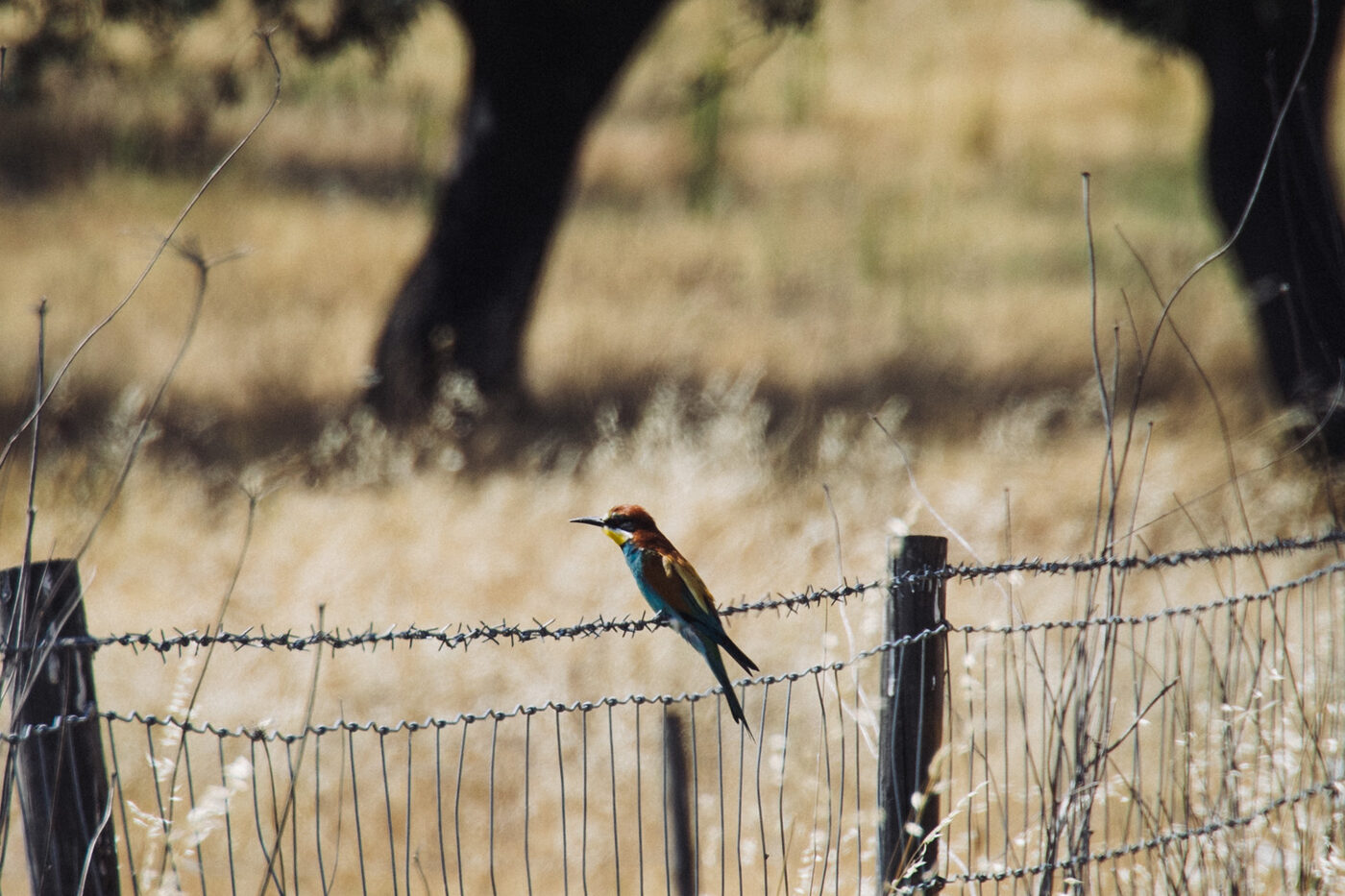
The montado is the dominant silvopastoral system in the landscape of Alter do Chão. It is an open tree formation dominated by cork oak (Quercus suber) and holm oak (Quercus rotundifolia), under which extensive grazing, long-cycle cork harvesting, montanheira (acorn harvesting by black pigs) and dryland cereals in rotation coexist. It is a system with high ecological and cultural efficiency, classified by the European Union with the habitat code 6310 (priority habitat).
The cork oak is, in Portugal, a tree protected by a special regime. Decree-Law No. 169/2001, with subsequent amendments, regulates its felling, transplantation authorisation and monitoring. The felling or destruction of cork oaks depends on authorisation from the Institute for Nature and Forest Conservation and has been the subject of consistent case law. A firing range with perimeter fencing, safety strips and shooting areas implies the felling and destruction of cork oaks on a large scale, in foreseeable violation of this regime.
The extensive management of the montado is, in itself, a conservation instrument. Its replacement by a military polygon will result in direct and irreversible loss of ecological value, fragmentation of the traditional mosaic and disappearance of the communities of invertebrates, birds and mammals associated with it.
The Alter Royal Stud
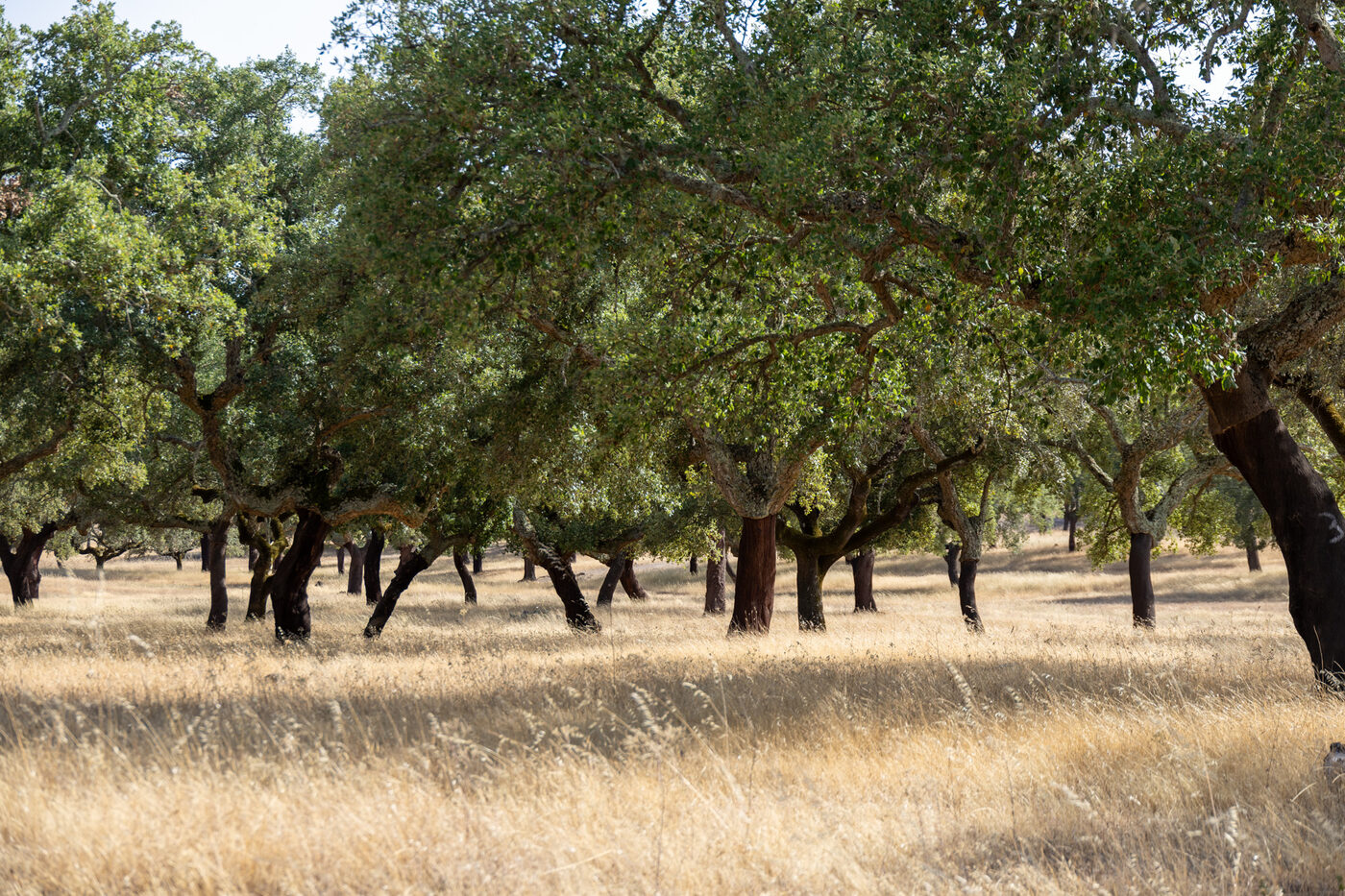
The Alter Royal Stud was founded in 1748 by Dom João V with the declared purpose of creating and preserving a horse breed for the service of the Crown. It is the oldest active stud farm in the world. It is under the tutelage of the Portuguese State through the Ministry of Agriculture. Its area lies in the municipality of Alter do Chão, the same one the State chose for the future firing range.
The Alter Royal Stud preserves the Alter Real pure-bred horse breed, with its own studbook. In addition to breeding, it maintains a riding centre, a riding arena, a museum, a set of 18th-century classified buildings and a programme of educational and tourist activities that constitute an economic and symbolic anchor for the municipality.
The Portuguese Equestrian Art in UNESCO
On 3 December 2024, the Portuguese Equestrian Art was inscribed by UNESCO on the Representative List of the Intangible Cultural Heritage of Humanity, during the 19th session of the Intergovernmental Committee held in Asunción. The application, submitted by the Portuguese State, identifies the Alter Royal Stud as one of the central elements of the practice. The practice was already listed in the National Inventory of Intangible Cultural Heritage since 28 April 2021. The UNESCO inscription produces, for the State, obligations of active safeguarding: to ensure the continuity of the practice, to protect the material conditions that sustain it, to transmit it to future generations and to cooperate internationally for its preservation.
The installation of a firing range in the same municipality as the Alter Royal Stud is, in its own right, a decision by the State against the commitments of the State itself. The internal consistency of the administration requires that decisions of this magnitude be preceded, at a minimum, by a formal assessment of the conditions of the Alter Royal Stud, hearing its management and opinion of the National UNESCO Commission.
The rural heritage scattered
The surrounding area integrates classified archaeological heritage of national relevance. A few kilometres away, the Lusitano-Roman Villa of Torre de Palma has been classified as a National Monument since 1970 and is considered one of the most important Roman complexes in the Iberian Peninsula; the cartography of constraints also indicates a dense megalithic set, with dolmens, the Megalithic Necropolis of Rabuje and a Roman bridge over the Ribeira Grande.
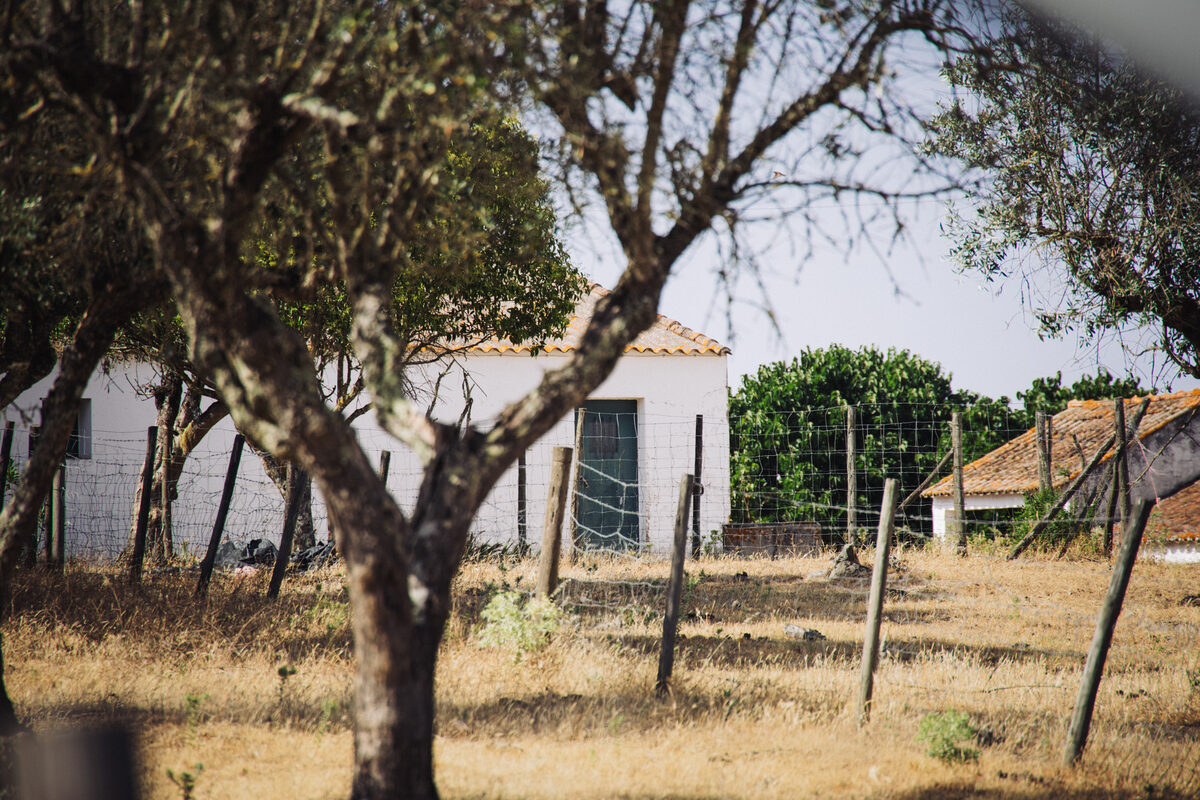
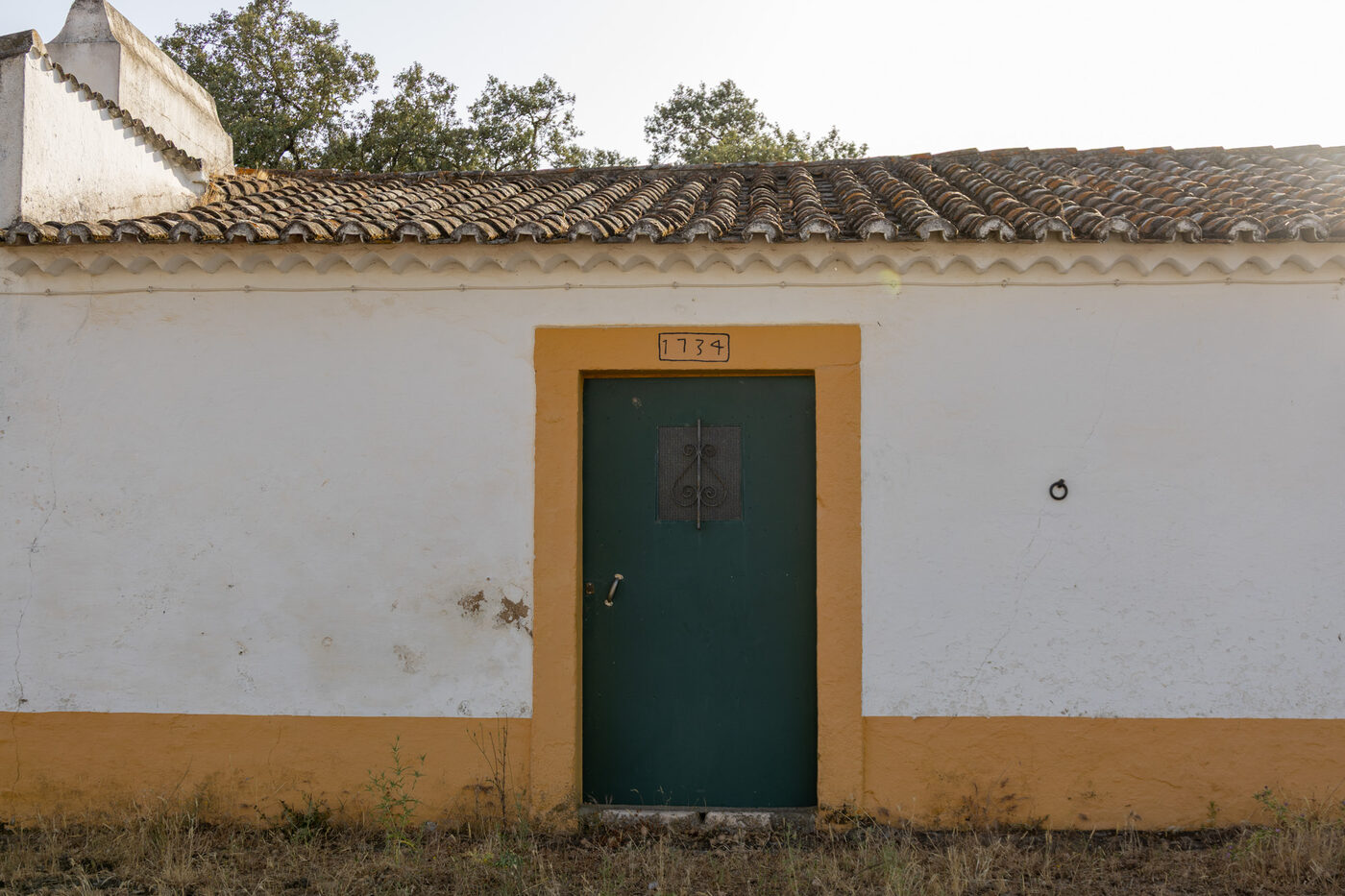
The rural identity of Alter do Chão extends beyond the urban monuments of the municipality. It includes a dense network of scattered heritage assets throughout the farms: stone threshing floors for traditional threshing, community ovens, ponds and old wells for hydraulic management of extensive grazing, isolated farms and Alentejan hills (housing and production units that structure the agricultural landscape), rural chapels, wayside shrines, crosses, property markers and public paths with centuries of continued use.
These elements are not, for the most part, individually classified. However, they have significant historical, ethnographic and symbolic value, and constitute an integral part of what the Portuguese courts have recognised as diffuse cultural interest. Their large-scale destruction, within the framework of a single infrastructure, is hardly reparable.
The local economy
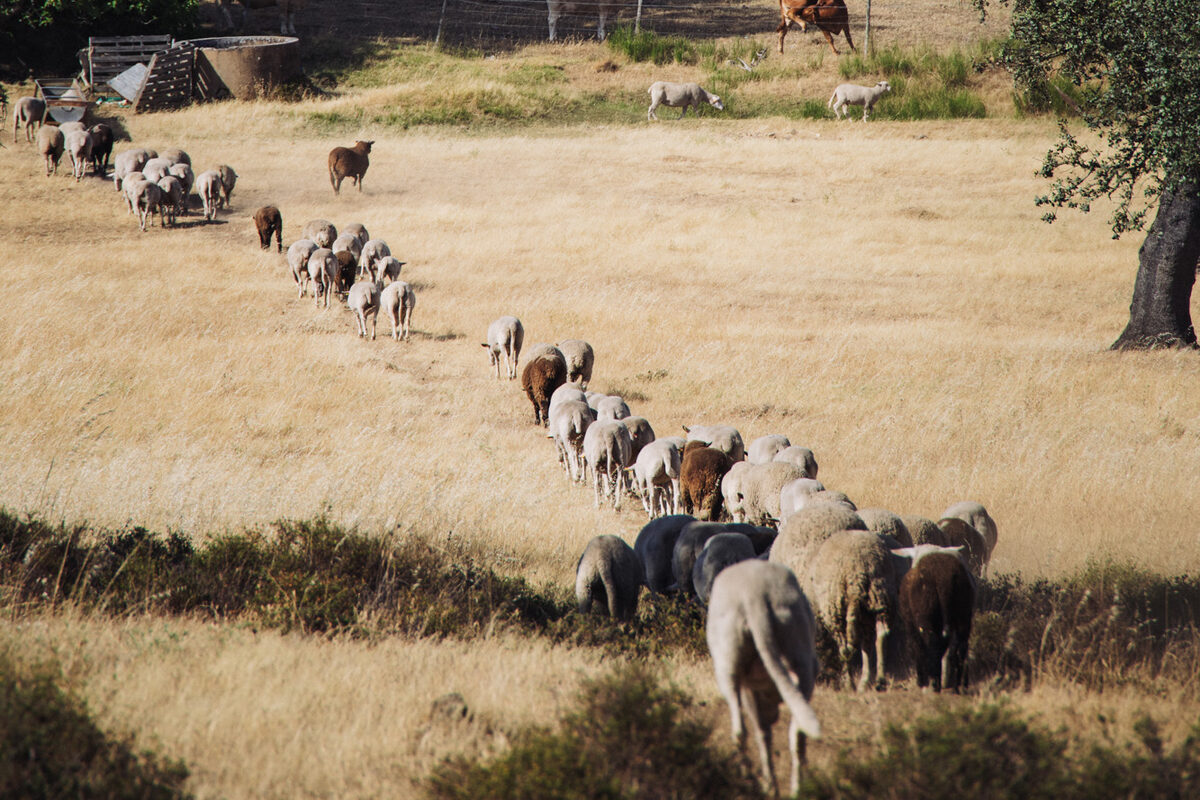
The economy of Alter do Chão is based on several articulated axes: traditional olive growing with production of recognised extra virgin oil; extensive livestock farming with cattle, sheep and black pigs in montanheira; dryland cereal farming; small-scale vineyards; beekeeping; rural and equestrian tourism linked to the Coudelaria; and applications for European funds (PAC, PRR, PEPAC) that support private investment in progress.
To this base is added recent public investment in irrigation. The Veiros Hydro-Agricultural Development, in the municipalities of Estremoz and Monforte, came into operation in 2015 and serves over 1,000 hectares of benefited area, with areas intended for inclusion in the National Agricultural Reserve. It is confirmation, by the State itself, of the structuring agricultural value of a territory that now proposes to convert into a firing range.
In conservative annual synthesis, the economic framework at risk totals between 18 and 30 million euros per year: 2.7 to 3.3 million in direct PAC subsidies; 8 to 15 million in direct agricultural production (montado, olive grove, cereal, grazing, vineyard); 1 to 4 million in cork (extraction in 9-11 year cycles); 1.2 to 4 million in direct agricultural wages; typical rural multiplier of 1.5 to 2.5 over primary activity; and 5 to 7 million in equestrian tourism, agro-tourism and Coudelaria brand.
The effective military contribution to the local economy, after discounting the guaranteed installations by Decree-Law 172/94, is between 1.6 and 3 million per year. The joint reading of the numbers is on its own page.
The installation of the firing range affects all these axes. It reduces the available agricultural area, compromises community applications in progress, depreciates the value of the surrounding properties, expels tourist and equestrian activity, and produces prolonged uncertainty that discourages investment. The "compensations" announced by the Government have not been quantified, scheduled or legally bound, which makes their promise, for now, unable to replace the projected loss.
The living territory
It is not a wasteland. It is an inhabited and productive territory.
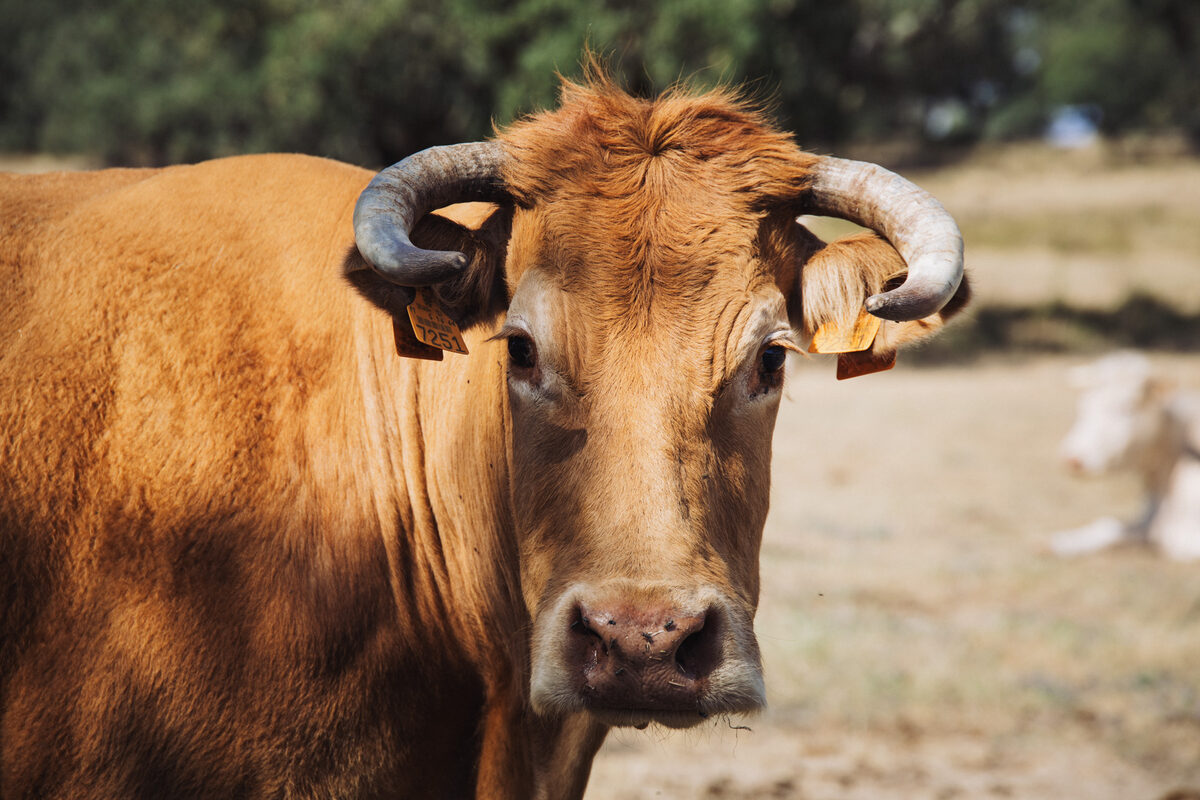
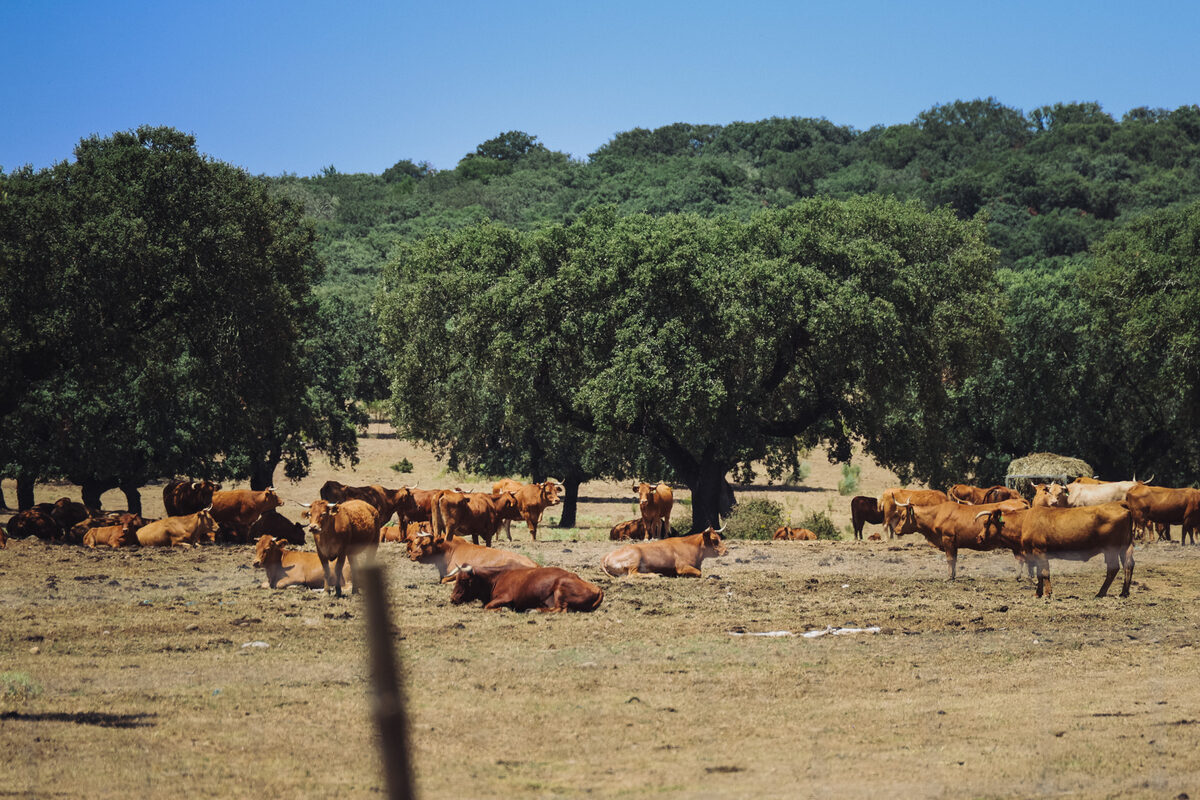
What the targeted area supports today: extensive livestock farming, montado (cork and holm oak woodland), protected fauna and a landscape that gives name and visitors to the region. This is what a military firing range would replace.